
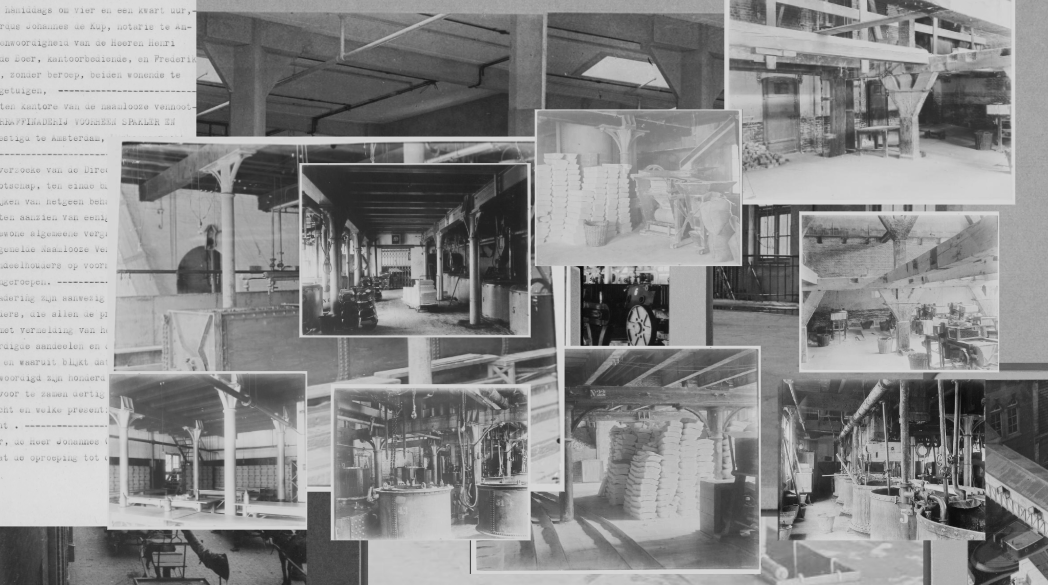
historical research for your projects
Describing, explaining, and interpreting the history of the built environment and its visual and material culture is crucial in supporting contemporary questions and answers on why things are the way they are, deciding on how to transform, restore them, or recover their forgotten histories.
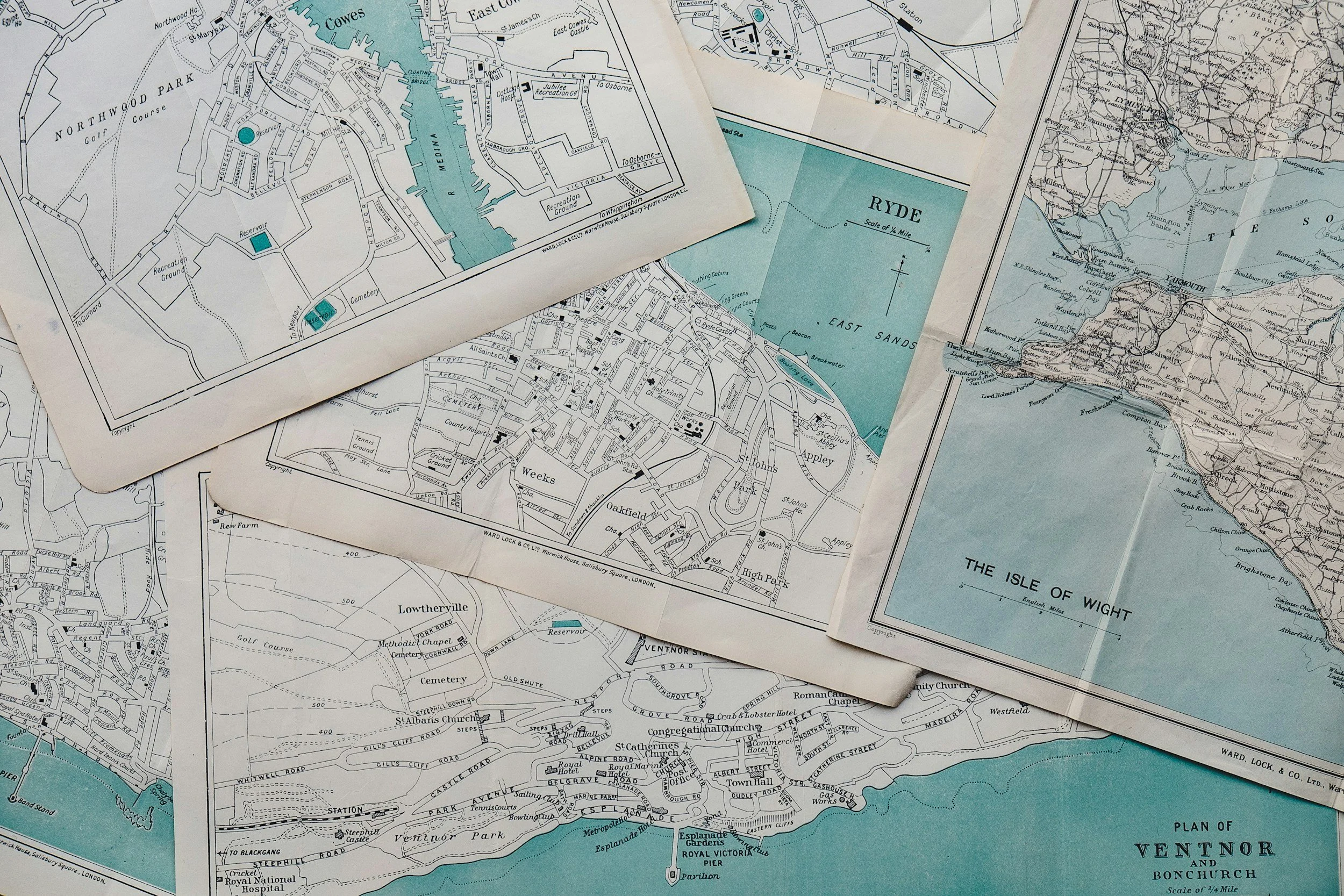
research fields
-
I carry out archival research to reconstruct a building's material history. Sourcing historical maps, technical drawings, photographs, and municipal records, I can date phases of construction, renovation, and alteration. Through documentation, I can identify the chronological layers, original or later additions, cross-referencing archives and literature with on-site inspection of materials and structural elements. This kind of documentation is useful groundwork for renovation, heritage assessment, or any project that needs a clear record of a building's physical layers before design decisions are made.
-
I reconstruct a landscape's design history through historical maps, estate archives, aerial photography, and site surveys, tracking changes to layout, planting schemes, water features, and boundaries across different historial periods. I can identify surviving historical elements versus later interventions, and trace design authorship to specific landscape architects or garden styles where the archival record allows it. This gives designers a documented basis for conservation planning, restoration decisions, or adapting a landscape while respecting its historical structure.
-
I research the planning history of urban areas through literature, archival maps, photography and municipal records, tracing how zoning, infrastructure, and building typology canged over time. I can document why specific urban forms exist and identify overlooked historical layers that may be relevant to a current redevelopment or heritage designation. This research can support studios working on urban renewal, heritage-sensitive masterplanning, or public space redesign.
-
My research on modern and contemporary art focuses on gathering documentation and information on the development in history of art related to: an artist or brand, a social or political topic, and a material technique. This is useful for design studios working on cultural projects, exhibition content, or design/history publications that need accurate art-historical grounding.
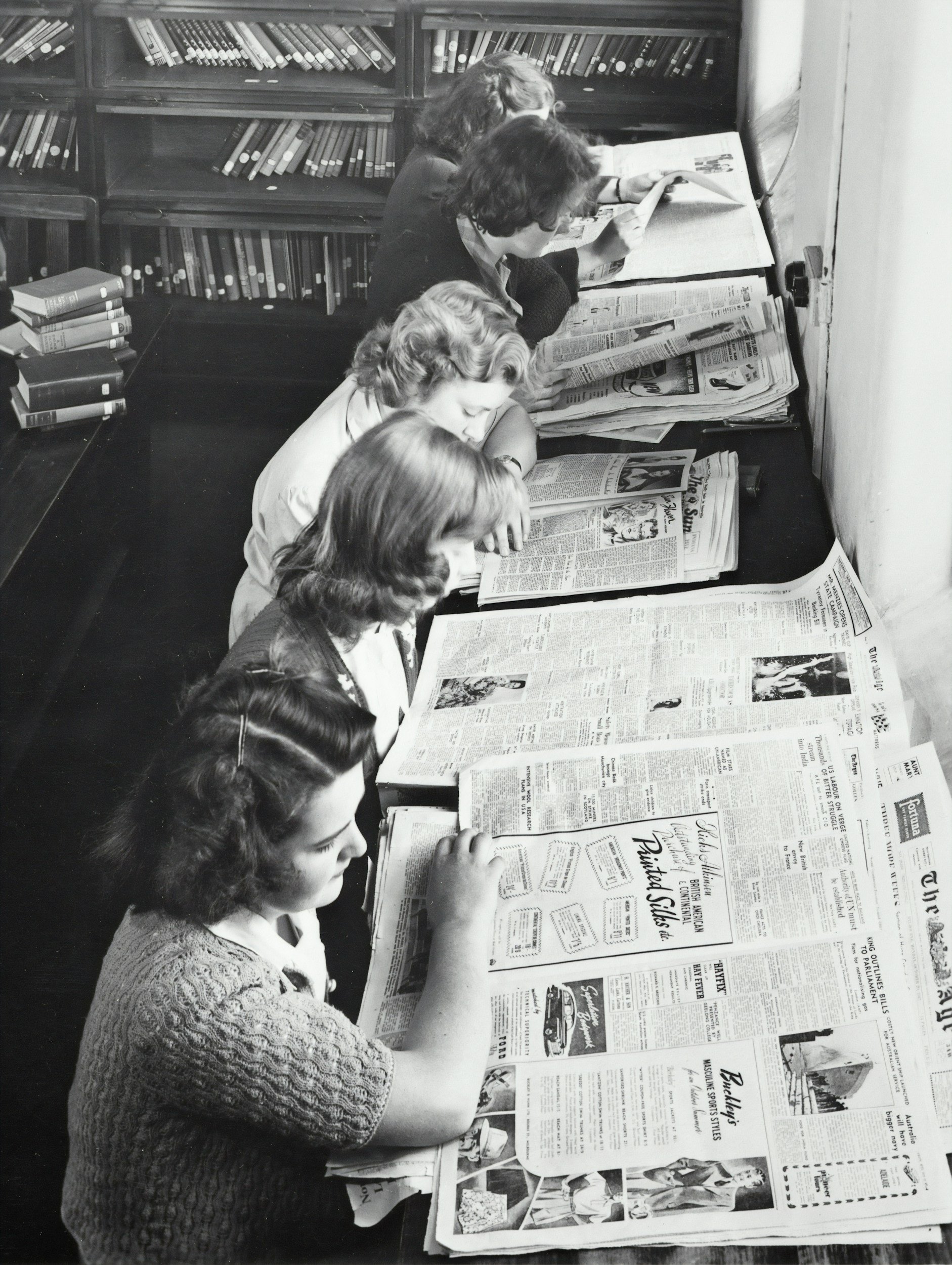
research process
define the question TOGETHER
It is important to be clear about what question is truly being answered. This will help me at the moment of gathering historical material sources that can be used as comparison, as inspiration, or as evidence for the contemporary process dealing with historical layers.
gather the RELEVANT information
Through qualitative methods (archival research, historical mapping, comparative analysis, on-site observation, interviews, survey) sourcing photographs, plans, and records that speak directly to the question at hand.
SHARE THE KNOWLEDGE
The research becomes a resource you can use: a written report, a visual narrative, or material woven directly into your design process, depending on what the project needs.
Are you working on a project with traces of the past that need investigating?
A building, a landscape, an artist's work — every one of them carries traces of what came before. I dig into that history and context, through archives, fieldwork, spatial analysis, interviews, and literature review.